
In business, operational efficiency is essential for profitability and long-term sustainability. One of the most effective ways companies can achieve substantial savings and lasting benefits is through smart energy management. By investing in commercial solar, businesses can lower energy costs, reduce their environmental impact, and positively influence their bottom line. This article examines how energy efficiency drives financial gains, the technologies that make it possible, and practical strategies companies can use to maximize returns.
Why Energy Efficiency Matters for Businesses
Energy costs represent a significant portion of operational expenses across industries, from manufacturing and logistics to commercial office space and retail. Reducing energy consumption doesn’t just lower monthly utility bills; it can also free up capital for strategic initiatives, increase operational resilience, and enhance competitiveness.
Beyond cost savings, businesses today are increasingly evaluated on their sustainability practices. Investors, clients, and partners are prioritizing organizations with strong environmental commitments. Integrating energy-efficient solutions can improve a company’s reputation, create marketing opportunities, and even unlock new business contracts with sustainability criteria.
Key Financial Benefits of Clean Energy Solutions
Lower Operating Costs
The most immediate and tangible benefit of clean energy adoption is reduced energy bills. Technologies such as solar power, energy-efficient lighting, and smart HVAC systems allow companies to produce or optimize their energy usage, often cutting electricity costs by 20%–50% depending on the scale of implementation.
In addition, energy-efficient equipment often requires less maintenance. LED lighting, high-efficiency motors, and automated control systems not only consume less power but also have longer lifespans, lowering replacement and repair costs over time.
Return on Investment Through Tax Incentives and Rebates
Many regions provide financial incentives for businesses that invest in renewable energy or energy efficiency upgrades. These can include tax credits, depreciation of benefits, grants, or rebates on equipment and installation. For example, companies installing solar panels or energy-efficient systems can often deduct a significant portion of their costs from federal or state taxes, shortening the payback period for their investment.
Properly leveraging these incentives allows businesses to implement energy upgrades with minimal upfront capital, turning sustainability initiatives into profitable ventures.
Increased Property Value and Asset Longevity
Energy-efficient upgrades can enhance the long-term value of commercial properties. Buildings with renewable energy installations or advanced energy management systems are more attractive to buyers and tenants who value lower operating costs and environmentally conscious design. In some cases, energy efficiency measures can qualify for a building for green certifications, such as https://www.usgbc.org/leedLEED, which can further increase market value.
Additionally, equipment that operates more efficiently tends to experience less wear and tear, extending its useful life. Businesses save money not only on energy but also on future capital expenditures.
Predictable Energy Costs and Risk Mitigation
Energy markets can be volatile. Electricity rates fluctuate due to demand for spikes, geopolitical events, or supply chain disruptions. By investing in clean energy sources and energy management systems, companies can stabilize a portion of their energy expenses and reduce exposure to market volatility.
For instance, solar power generation or battery storage allows a company to produce its own energy, decreasing reliance on grid electricity and insulating against sudden rate hikes. Predictable energy costs support better budgeting, planning, and overall financial stability.
How Clean Energy Drives Operational Efficiency
Advanced Energy Management Systems
Modern energy management systems (EMS) integrate real-time data, analytics, and automation to optimize energy consumption. Businesses can track usage patterns, identify inefficiencies, and implement automated adjustments to lighting, HVAC, or machinery operations.
These systems reduce waste, improve productivity, and provide actionable insights for further improvements. By continuously monitoring energy use, companies can prevent unnecessary costs and adapt quickly to changing operational needs.
Equipment Upgrades and Smart Technology
Replacing outdated equipment with energy-efficient alternatives is a straightforward way to improve both performance and savings. For example:
- Upgrading to LED lighting significantly reduces energy consumption and maintenance costs.
- Installing variable frequency drives (VFDs) on motors allows precise control of machinery, reducing electricity use and extending equipment life.
- Smart thermostats and automated building controls optimize heating, cooling, and ventilation based on occupancy patterns and weather conditions.
These upgrades, while sometimes requiring upfront investment, deliver measurable savings and contribute to a more sustainable operational model.
Renewable Energy Integration
Clean energy generation, such as solar or wind, enables businesses to produce power on-site. For commercial and industrial operations, even partial adoption can offset a substantial portion of energy costs. Additionally, companies that generate more energy than they consume can participate in net metering programs, selling excess energy back to the grid, and further boosting financial returns.
Demand Response and Load Shifting
Businesses can also take advantage of utility programs that incentivize reduced energy use during peak demand periods. Demand response initiatives allow companies to temporarily lower consumption or shift energy-intensive processes to off-peak hours, often receiving financial compensation or reduced rates. This strategy not only cuts costs but also enhances grid reliability and reduces environmental impact.
Real-World Examples of Cost Savings
Manufacturing and Industrial Operations
A mid-sized manufacturing company replaced legacy equipment with energy-efficient motors and integrated an energy management system. Within the first year, the company reduced electricity costs by 30%, decreased downtime due to equipment failure, and improved overall production efficiency. These savings exceeded the initial investment in just two years, demonstrating a clear ROI.
Office and Commercial Properties
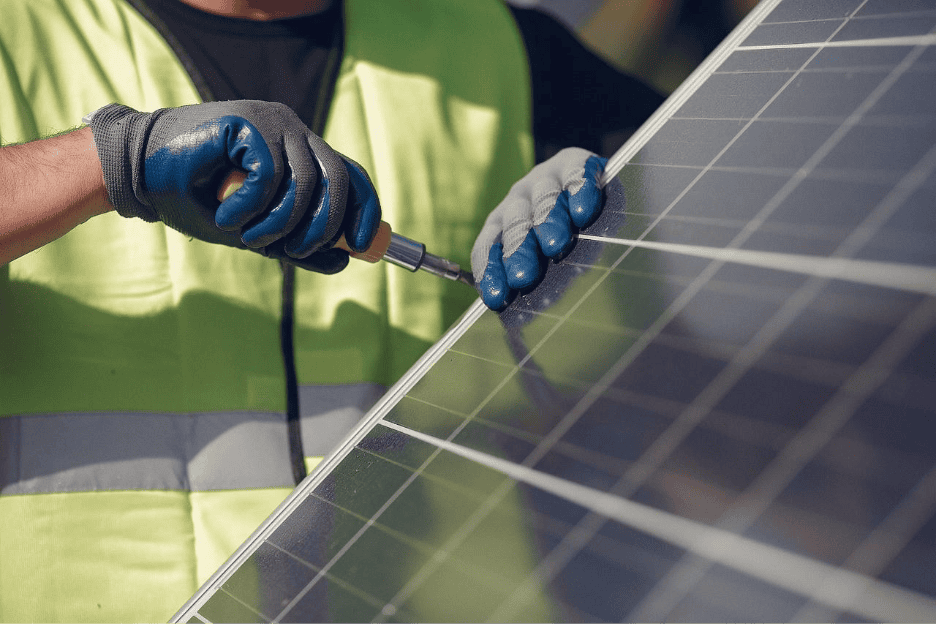
A regional office complex installed rooftop solar panels combined with smart building automation. The system reduced energy bills by 40% annually and earned state tax credits and rebates. Tenants appreciated the lower utility costs and the green building certification, making the property more attractive in a competitive market.
Retail Chains
A national retail chain implemented LED lighting and occupancy sensors across hundreds of locations. Energy expenses dropped by millions over a three-year period, while maintenance costs decreased due to longer-lasting lighting systems. The chain reinvested the savings into expanding store operations and marketing efforts, illustrating how energy efficiency can directly support business growth.
Strategic Steps for Businesses Considering Clean Energy
Audit Current Energy Use
Conduct a comprehensive energy audit to identify inefficiencies and prioritize upgrades.
Evaluate Cost vs. Benefit
Analyze potential ROI for various energy-efficient technologies and renewable energy options, factoring in incentives, rebates, and operational impacts.
Set Clear Goals
Determine whether the priority is reducing costs, achieving sustainability certifications, enhancing brand reputation, or all three.
Plan for Phased Implementation
Rolling out upgrades in phases allows businesses to manage upfront costs and learn from early results before wider deployment.
Leverage Professional Expertise
Engaging consultants or solution providers to ensure that companies select the right technologies and navigate regulatory or incentive programs effectively.
Monitor and Optimize
Once implemented, continuous monitoring and optimization of energy systems maximize efficiency gains and ensure long-term profitability.
Brand and Employee Benefits
While the financial case for energy efficiency is compelling, businesses also gain intangible benefits. Sustainability initiatives improve brand reputation, attract environmentally conscious customers, and may open doors to new partnerships. Internally, energy-conscious practices foster a culture of responsibility, pride, and innovation among employees.
Demonstrating a commitment to sustainability also positions companies as leaders in their industry, reinforcing credibility with clients, investors, and the broader community.
Maximizing Business Impact
Energy efficiency and clean energy adoption are no longer niche initiatives; they are critical tools for businesses aiming to reduce costs, improve operational performance, and strengthen their competitive position. By integrating smart technology, upgrading equipment, and leveraging renewable energy sources, companies can unlock significant financial benefits while simultaneously enhancing their brand reputation and sustainability profile.
For businesses seeking power profit in the modern economy, the equation is clear: smarter energy use equals lower costs, higher efficiency, and a stronger bottom line. Whether through advanced energy management systems, on-site generation, or incremental efficiency upgrades, companies that prioritize energy innovation today are not only saving money; they are future-proofing their operations for years to come.