
California has become a leader in residential solar adoption, driven by high utility costs, abundant sunshine, and a growing desire for energy independence. Homeowners across the state are increasingly turning to solar to reduce their reliance on traditional power sources. Still, one question continues to surface: Is solar enough to power my home 24/7?
While solar panels can generate significant amounts of electricity during daylight hours, our homes require energy at all times of the day and night. This mismatch often leads homeowners to explore solutions like solar battery backup to bridge the gap. However, understanding how solar energy works across a full 24-hour cycle is essential before determining whether it can truly meet your needs.
How Solar Energy Functions Throughout the Day
Solar panels generate electricity when exposed to sunlight, with production peaking during the late morning and early afternoon when the sun is strongest. During these hours, a well-sized system can produce more electricity than a home consumes. This excess energy typically flows back into the grid, depending on the structure of your utility agreement.
As the sun begins to set, production declines and eventually stops entirely. This creates a natural limitation for solar-only systems, as they are unable to generate power during the evening or overnight hours. Despite strong daytime output, the inability to produce energy continuously is one of the main challenges homeowners must consider.
The Mismatch Between Energy Production and Usage
One of the most important factors in determining whether solar can power a home around the clock is understanding when energy is used. Most households consume a significant portion of their electricity in the early morning and evening, times when solar production is either low or nonexistent.
In California, this issue is further complicated by time-of-use rate structures, where electricity costs are higher during peak evening hours. Even if your solar system generates enough total energy over the course of a day, it may not align with the times when energy is most needed. This timing mismatch is a key reason why solar alone often falls short of providing continuous power.
The Role of Net Metering in California
Net metering has historically played a major role in making solar viable for homeowners. Under this system, excess energy generated during the day is sent to the grid in exchange for credits that can be used later when your home draws power from the utility.
However, recent changes in California’s net metering policies have shifted the financial dynamics. Exported energy is now compensated at a lower rate, making it less beneficial to rely on the grid as a form of energy storage. As a result, consuming solar energy directly within the home has become more valuable than exporting it.
This evolution means that simply producing enough energy is no longer sufficient. Homeowners must now think more strategically about how and when their energy is used.
Can Solar Alone Provide Consistent Power?
In some cases, solar panels can meet a home’s total daily energy needs, but that does not necessarily mean they can provide power at all times. Without a method of storing excess energy, solar systems depend on the grid to supply electricity during non-sunlight hours.
For homeowners who remain connected to the grid, this hybrid approach is common. Solar powers the home during the day, while utility electricity fills in the gaps at night. While this setup can significantly reduce energy bills, it does not equate to full energy independence.
Achieving true 24/7 solar power requires more than just generating enough electricity, it requires the ability to use that energy whenever it is needed.
What It Takes to Achieve Continuous Solar Power
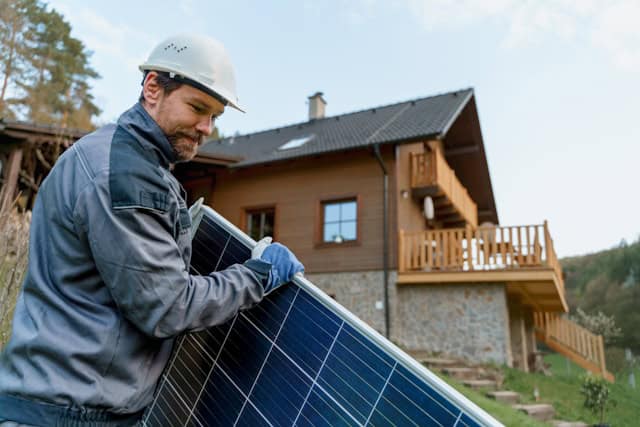
Powering a home entirely with solar energy around the clock involves careful system design and planning. The size of the solar array must be sufficient to cover total daily energy consumption, which often requires more panels than homeowners initially expect.
Beyond system size, energy usage patterns must also be considered. Homes that consume large amounts of electricity in the evening or overnight will struggle to rely solely on solar without additional solutions. Seasonal variations also play a role, as shorter days and lower sun angles in winter can reduce overall production.
Even in a state like California, where sunlight is plentiful, these factors make it difficult for solar alone to provide uninterrupted power without additional support mechanisms.
California’s Unique Advantage for Solar Adoption
Despite these challenges, California remains one of the most favorable environments for solar energy. The state’s high number of sunny days allows solar systems to generate substantial amounts of electricity throughout the year. This consistent production makes it easier for homeowners to offset a large portion of their energy usage.
Additionally, the high cost of electricity in California increases the financial benefits of solar adoption. Even if a system does not provide full 24/7 coverage, the savings from reduced grid reliance can be significant. These factors make solar an attractive option, even if complete energy independence is not achieved.
Balancing Energy Independence and Grid Reliance
It is important to distinguish between reducing energy costs and achieving full independence from the grid. Many homeowners find that solar panels alone are sufficient to dramatically lower their utility bills, especially when paired with favorable rate structures.
However, complete independence requires a more comprehensive approach. This includes generating excess energy, managing consumption patterns, and accounting for variability in production. For most households, remaining connected to the grid provides a practical balance between reliability and cost savings.
Rather than aiming for total independence, many California homeowners focus on maximizing efficiency and minimizing reliance on utility power where possible.
The Impact of Household Energy Usage
Every home has unique energy demands, and these play a significant role in determining whether solar can meet those needs. Homes with high energy consumption, such as those with electric vehicles, extensive air conditioning use, or large appliances, will require larger systems and more advanced planning.
On the other hand, energy-efficient homes with lower overall consumption may find it easier to rely heavily on solar production. Understanding your household’s energy profile is essential for designing a system that aligns with your goals.
Without this insight, it is difficult to determine whether solar alone can meet your expectations.

The Importance of Smart Energy Management
Modern solar systems often incorporate monitoring tools that allow homeowners to track production and consumption in real time. These systems provide valuable insights into how energy is used throughout the day, making it easier to identify opportunities for optimization.
In California, where electricity costs vary depending on the time of day, this level of control can have a significant impact. Shifting energy use to daylight hours, when solar production is highest, can improve overall efficiency and reduce reliance on grid power.
Smart energy management does not eliminate the limitations of solar, but it does help homeowners make the most of the energy their systems produce.
Common Misconceptions About Solar Power
Many homeowners assume that installing solar panels will completely eliminate their electric bill or provide uninterrupted power. In reality, the effectiveness of a solar system depends on several factors, including system size, energy usage, and utility policies.
Another common misconception is that adding more panels automatically ensures continuous power. While larger systems can generate more energy, they do not address the issue of timing. Without a way to store or shift energy, excess production during the day does not translate into availability at night.
Even in a state with as much sunshine as California, these limitations must be carefully considered.
Beyond Just Panels
Solar energy offers a powerful way to reduce electricity costs, increase sustainability, and gain greater control over how your home is powered. However, achieving true 24/7 energy coverage requires more than just installing panels. It involves understanding how energy is generated, when it is used, and how those two factors align.
For most California homeowners, solar alone can cover a significant portion of their energy needs, but not all of them at all times. The key is designing a system that matches your goals, whether that means maximizing savings, increasing resilience, or moving closer to energy independence.
Ultimately, solar is not just about how much energy you produce, it’s about how effectively you use it.