
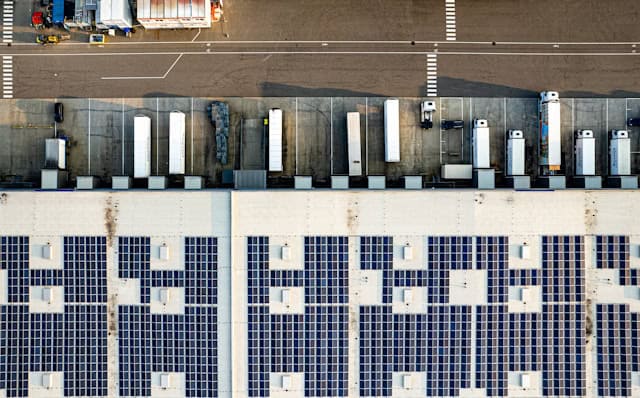
Many businesses these days are seeking ways to optimize operational efficiency while maintaining a commitment to sustainability. Renewable energy has become a powerful solution to meet both objectives. Commercial solar installation, energy storage, and smart power management systems allow businesses to reduce energy costs, minimize carbon footprints, and improve resilience against rising utility prices. By adopting innovative energy strategies, companies can not only achieve financial savings but also demonstrate environmental responsibility, enhancing brand reputation and stakeholder trust.
The Operational Benefits of Renewable Energy
Renewable energy solutions offer a wide array of operational advantages. The most immediate and tangible benefit is cost reduction. Traditional energy expenses can constitute a significant portion of a business’s operating budget. By generating electricity on-site through solar panels, wind turbines, or other renewable technologies, companies can reduce dependence on the grid, stabilize energy costs, and improve cash flow predictability. Additionally, excess energy produced on-site can sometimes be sold back to utilities, creating an additional revenue stream.
Beyond direct savings, renewable energy enhances operational resilience. Businesses with on-site generation and energy storage capabilities are less vulnerable to grid outages, price spikes, or supply disruptions. This is particularly valuable for industries that rely on continuous operations, such as manufacturing, data centers, or cold storage facilities, where power interruptions can result in significant financial losses.
Integrating renewable energy often encourages broader operational efficiency measures. Companies that invest in energy monitoring systems, smart thermostats, and automated lighting not only complement their renewable energy systems but also uncover opportunities for reducing overall energy consumption and waste.
Sustainability as a Strategic Advantage
In addition to operational efficiency, renewable energy provides a clear sustainability advantage. Consumers and investors increasingly favor companies that demonstrate environmental responsibility. Implementing renewable energy solutions signals a commitment to reducing greenhouse gas emissions and mitigating climate impact. This can enhance brand reputation, attract eco-conscious customers, and position businesses favorably with environmentally minded investors.
For large enterprises, reporting sustainability metrics is becoming standard practice. Renewable energy systems make it easier to track energy production, consumption, and carbon reduction, providing valuable data for environmental, social, and governance (ESG) reporting. Companies that embrace these technologies can gain recognition through certifications, awards, or green marketing campaigns, turning sustainable practices into a competitive differentiator.
Innovative Technologies Driving Business Growth
Solar Power and Photovoltaics
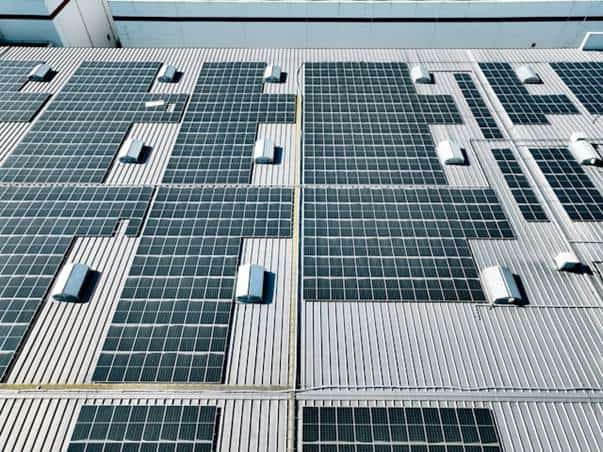
Solar energy is the most widely adopted renewable solution for businesses. Modern photovoltaic systems are more efficient and affordable than ever. When combined with energy storage, solar can supply electricity even during peak demand periods or at night, reducing reliance on utility power. Solar panels allow businesses to scale energy production to match operational needs, ensuring maximum cost savings and environmental impact.
Energy Storage and Battery Systems
Energy storage technology complements renewable generation by storing excess power for later use. This not only smooths energy supply but also helps businesses manage electricity demand more efficiently. By shifting energy consumption from high-cost periods to lower-cost intervals, battery systems reduce demand charges and optimize utility billing. In sectors where uninterrupted power is critical, energy storage provides a safeguard against outages and enhances operational reliability.
Smart Energy Management Systems
Advanced energy management platforms allow businesses to monitor, control, and optimize energy use in real time. Sensors, smart meters, and AI-driven analytics can predict energy demand, automate equipment operation, and detect inefficiencies. By pairing these systems with renewable sources, companies can dynamically allocate power where it is most needed, reducing waste and further lowering costs.
Combined Heat and Power (CHP) Systems
Some businesses can benefit from combined heat and power systems, which generate electricity and capture waste heat for heating or industrial processes. CHP systems maximize energy utilization, increasing overall efficiency by up to 80% compared to conventional generation. By integrating CHP with renewable energy, companies can achieve a flexible and highly efficient energy portfolio.
Financial Incentives and Business Considerations
One of the factors accelerating renewable energy adoption is the availability of financial incentives. Federal tax credits, grants, and state-level programs reduce upfront costs and improve return on investment. Businesses can also benefit from utility rebates, performance-based incentives, and financing options designed specifically for energy efficiency projects. These incentives make renewable energy projects financially attractive, often yielding payback periods of just a few years.
Before implementing renewable energy solutions, businesses should conduct a comprehensive energy audit to assess current consumption, identify savings opportunities, and determine the optimal technology mix. Collaboration with experienced energy consultants, engineers, and contractors ensures the system is designed for maximum efficiency and long-term reliability.
Renewable Energy Driving Growth
Several companies have demonstrated tangible benefits from adopting renewable energy:
- Manufacturing Facilities: By installing solar panels and battery storage, some manufacturers have reduced annual electricity costs while maintaining uninterrupted production during grid outages.
- Corporate Offices: Businesses in commercial buildings have leveraged solar and energy management systems to cut energy expenses, reduce carbon footprints, and achieve LEED certification, enhancing sustainability credentials.
- Data Centers: The high energy demands of data centers make them ideal candidates for hybrid renewable energy and CHP solutions, improving operational resilience and reducing emissions simultaneously.
These examples illustrate that renewable energy solutions are not only environmentally responsible but also economically strategic, directly contributing to business growth and competitiveness.

Planning for the Future
Adopting renewable energy is not a one-time effort but a long-term strategic initiative. Businesses should plan for scalability, ensuring systems can accommodate future growth and technological advancements. Modular solar installations, expandable battery systems, and adaptable energy management platforms allow companies to increase capacity as operational needs evolve.
Furthermore, the integration of renewable energy can serve as a foundation for innovation. Companies exploring electrification of fleets, advanced robotics, or smart building initiatives can rely on a stable, low-cost, and sustainable energy source. In this way, renewable energy investments support broader business transformation beyond mere electricity generation.
Powering Business Growth Through Strategic Energy Innovation
Renewable energy is a catalyst for operational efficiency, sustainability, and business growth. Utilizing solar panels, battery storage, smart management systems, and other cutting-edge technologies empower companies to reduce costs, enhance resilience, and meet the increasing expectations of environmentally conscious stakeholders.
By viewing renewable energy as a strategic asset, businesses in every sector can strengthen their competitive position, attract investment, and contribute meaningfully to a cleaner, more sustainable future. For forward-thinking companies, the shift to renewable power is not just an option, it is an essential step toward growth and innovation.