
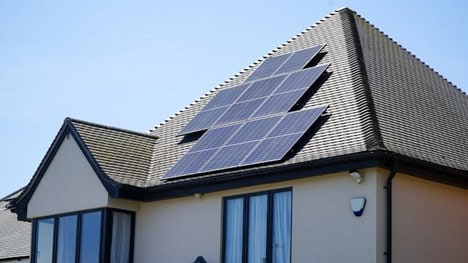
California has long been a proving ground for new ideas in housing, energy, and sustainability. From architecture designed to capture ocean breezes to building codes that emphasize efficiency, the state’s approach to homeownership often reflects its unique environment. One area where this connection between place and investment is especially clear is residential solar. While solar panel installers play a role in system design and setup, the true driver behind solar’s value in California is the climate itself, a combination of abundant sunshine, mild seasonal variation, and weather patterns that support long-term energy production and financial return.
Understanding why solar performs so well in California requires looking beyond surface-level assumptions. It is not just about having sunny days. It is about consistency, predictability, and how environmental conditions interact with energy demand, utility pricing, and homeownership trends over time.
Abundant Sunlight and Year-Round Energy Production
California consistently ranks among the sunniest states in the country, but what makes it exceptional is the steadiness of sunlight throughout the year. Many regions experience strong solar exposure across all seasons, allowing systems to produce energy even during winter months when daylight hours are shorter.
Unlike states with long periods of heavy cloud cover or snow accumulation, most of California avoids prolonged seasonal disruptions. Coastal regions may experience morning fog, but it typically burns off by midday. Inland areas benefit from clear skies for much of the year. Even northern parts of the state receive sufficient annual sunlight to support effective solar generation.
This year-round production reduces volatility in energy output. Homeowners can more accurately estimate long-term performance, which is critical when evaluating solar as an investment rather than a short-term upgrade.
Mild Temperatures Support Panel Efficiency
Extreme heat and extreme cold both affect solar performance. California’s climate, while varied, tends to remain within an optimal range for much of the year. Solar panels operate most efficiently under moderate temperatures, and many parts of the state avoid prolonged freezes or excessive humidity that can degrade equipment.
In hotter regions, modern system designs account for elevated temperatures by allowing airflow beneath panels and using materials rated for high heat. Meanwhile, coastal and central areas benefit from cooler averages that help maintain consistent efficiency over time.
This balance matters because efficiency loss compounds over years. A climate that minimizes thermal stress helps preserve output, extending the productive lifespan of the system and protecting long-term value.
Energy Demand Aligns With Solar Production
California’s hot summers drive air conditioning use during daylight hours, which coincides with peak solar generation. This alignment allows homeowners to offset a larger portion of their real-time electricity usage rather than relying solely on credits or storage.
In many households, energy consumption spikes when solar systems are producing at their highest levels. That overlap improves financial outcomes by reducing reliance on grid power during expensive peak periods. Over time, this pattern increases the portion of energy needs covered by on-site generation.
The result is not just lower bills, but more predictable energy costs—an increasingly important factor as utility pricing structures evolve.
Utility Rates Amplify Climate Advantages
California’s electricity rates are among the highest in the nation, driven by infrastructure costs, wildfire mitigation, and regulatory requirements. While high rates can strain household budgets, they also increase the financial value of energy generated at home.
Because the climate allows solar systems to perform reliably year after year, each kilowatt-hour produced offsets power that would otherwise be purchased at a premium. As rates rise, the value of that offset grows.
This dynamic turns climate conditions into a compounding advantage. Sunlight remains free and consistent, while grid electricity becomes more expensive. Over time, the gap between production cost and retail price widens in favor of homeowners who generate their own power.
Reduced Weather-Related Disruptions
Much of California experiences fewer weather events that directly damage rooftop systems. While wildfires are a serious concern in some areas, modern installations are subject to strict building codes and fire safety standards.
The relative absence of severe weather events that physically disrupt panels contributes to system reliability. Fewer shutdowns, repairs, or weather-related losses translate into steadier performance and lower long-term maintenance costs.
Climate stability does not mean zero risk, but it does mean fewer unpredictable interruptions that undermine investment returns.
Compatibility With Battery Storage and Self-Consumption
California’s climate also supports the growing role of energy storage. Consistent daily solar production pairs well with batteries that store excess energy for evening use. In regions where sunlight is sporadic, storage can be underutilized or difficult to optimize. In California, predictable generation allows homeowners to plan usage patterns with greater confidence.
This reliability increases the practical value of storage systems, which are often used to reduce reliance on the grid during peak pricing windows or outages. Over time, the ability to self-consume a larger share of produced energy strengthens solar’s role as a long-term household asset.
Long-Term Performance Supports Home Value
Solar’s relationship to property value is influenced by performance expectations. Buyers are more likely to value systems that are known to work well in a given region. California’s climate provides a track record of strong output, which reduces uncertainty for future owners.
Homes with established energy production histories can demonstrate tangible savings rather than hypothetical benefits. In markets where energy costs are high and sunlight is reliable, solar becomes part of a home’s financial profile rather than an optional feature.
This perception matters when solar is viewed not as a lifestyle choice, but as a durable investment embedded in the property.
Climate Resilience and Energy Independence
As climate patterns shift globally, California homeowners face increasing concerns about grid reliability, heat waves, and infrastructure strain. Solar systems leverage the state’s natural conditions to provide a measure of resilience.
During periods of high demand, when grids are under stress, on-site generation reduces dependence on centralized systems. Over time, this resilience adds non-monetary value—peace of mind that complements financial savings.
The same climate that supports strong solar production also increases the importance of energy independence, reinforcing the long-term logic of the investment.
Predictability Favors Long-Term Planning
Investments perform best when outcomes are predictable. California’s climate offers a rare combination of high solar potential and relatively stable long-term patterns. While weather variability exists, the overall consistency allows homeowners to model performance over decades rather than years.
This predictability supports informed financial decisions. Homeowners can evaluate payback timelines, expected savings, and system longevity with greater confidence than in regions where weather patterns are more volatile.
Over time, that confidence translates into sustained adoption and long-term value creation.
Why Climate Matters More Than Technology Alone
Solar technology continues to improve, but technology alone does not determine success. Climate sets the baseline. California’s environmental conditions create an environment where even modest systems can perform well, and advanced systems can thrive.
Rather than relying on ideal conditions that may or may not occur, homeowners benefit from a climate that reliably supports energy production. This foundation allows solar to function as a true investment, one that delivers measurable returns for decades.
A Natural Advantage With Financial Implications
California’s climate does not simply make solar possible, it makes it practical, predictable, and economically compelling. Sunshine is abundant, temperatures are favorable, energy demand aligns with production, and long-term performance is supported by environmental stability.
When viewed through the lens of home investment rather than short-term savings, these factors converge to create lasting value. Solar succeeds in California not because of hype or trend, but because the climate itself does much of the work.
In that sense, the state’s natural conditions are not just a backdrop for solar adoption, they are the central reason solar continues to stand out as one of the most durable and strategic home investments available to California homeowners.