
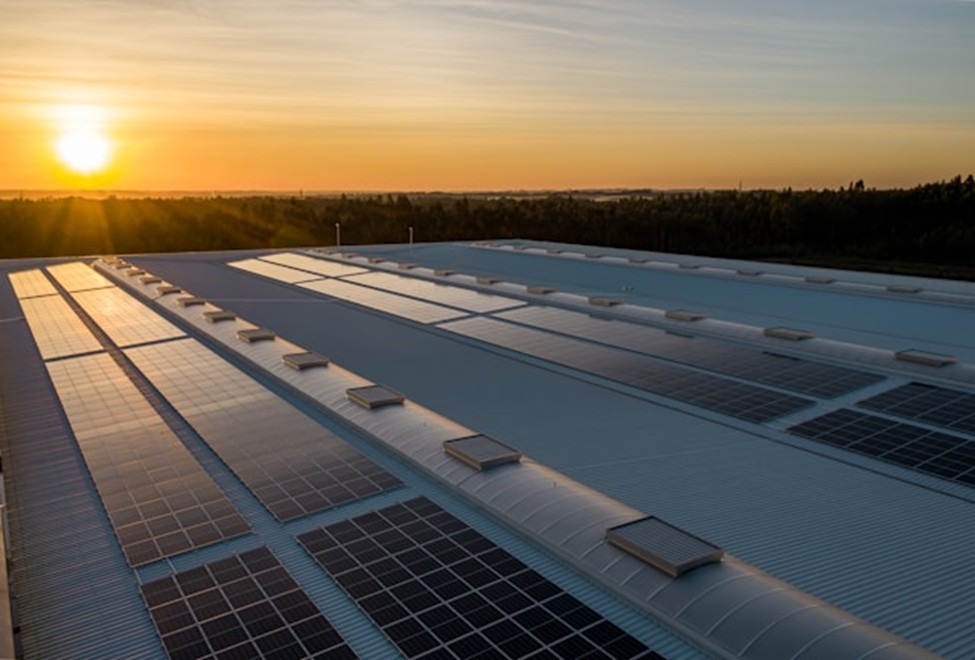
Rising operating costs, unpredictable utility pricing, and increasing pressure to operate more sustainably are forcing many mid-sized commercial businesses to reconsider how they source and manage energy. What was once a background operational expense has become a strategic decision tied to long-term stability and competitiveness. Early adoption of commercial solar in the Bay Area among forward-thinking businesses has highlighted a broader shift: power strategy is no longer just about keeping the lights on, it’s about controlling risk, protecting margins, and future-proofing operations.
Energy Has Become a Core Business Issue
For commercial organizations, electricity supports nearly every function of daily operations from HVAC, lighting, refrigeration, and point-of-sale systems to production equipment, servers, networks, and safety systems. When energy costs rise or fluctuate unexpectedly, the impact is immediate: operating budgets tighten, margins shrink, and financial planning becomes more difficult.
As a result, more businesses are recognizing that energy is no longer just a utility bill. It is a core input that affects performance, profitability, and long-term stability.
Rising Utility Costs and Budget Uncertainty
One of the biggest drivers behind changing energy strategies is cost volatility. Utility rates have continued to climb in recent years, driven by grid upgrades, wildfire mitigation spending, and growing strain on aging infrastructure. PG&E rates have surged roughly 70% since 2020, turning electricity into one of the fastest-growing and least predictable operating costs for businesses.
Demand charges, peak pricing, and changing rate structures can cause sharp month-to-month swings even when overall usage stays consistent. That volatility makes it harder to forecast expenses, price products and services accurately, and allocate capital toward growth initiatives. Many organizations are now seeking energy strategies that provide more stability and long-term predictability.
Reliability Matters More Than Ever
Power interruptions are no longer rare inconveniences. Extreme weather, heat waves, wildfires, and infrastructure strain have made outages more frequent in many parts of California. For commercial businesses, even short disruptions can have outsized consequences.
A retail store may lose sales and inventory. A manufacturer may face production delays and equipment impacts. Offices may experience downtime, lost productivity, and missed deadlines. Reliability has become a competitive consideration — businesses that can maintain operations during grid disruptions gain an advantage over those forced to shut down or scale back.
Sustainability Is Now a Business Expectation
Customers, partners, and employees increasingly expect businesses to demonstrate environmental responsibility. For consumer-facing companies, sustainability practices can influence purchasing decisions and brand loyalty. For B2B organizations, environmental performance can impact vendor selection and partnership opportunities. Internally, sustainability efforts often support recruiting and employee engagement.
Energy decisions are becoming one of the most visible ways businesses can show measurable progress toward sustainability goals while also improving efficiency and reducing long-term costs.
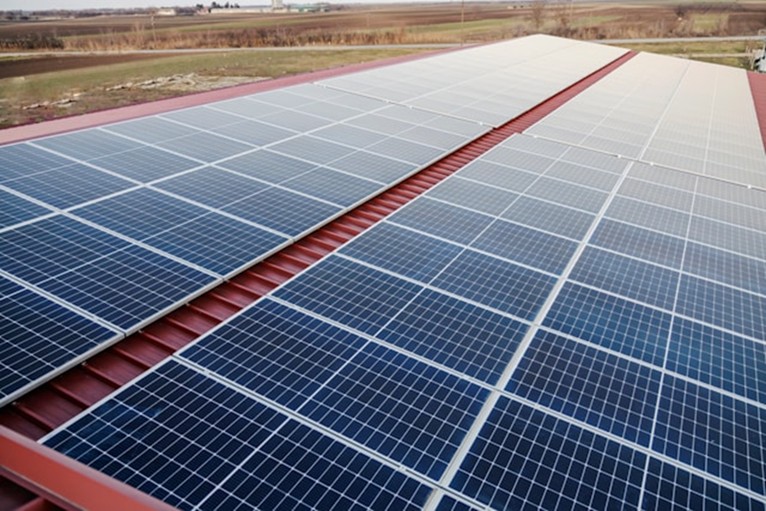
Energy Independence as Risk Management
A major shift underway is how business leaders view energy: not just as a cost, but as a form of risk management. Dependence on a single utility provider exposes organizations to long-term price increases, regulatory changes, and infrastructure failures beyond their control.
Diversifying energy sources reduces exposure to those risks. More control over how power is generated and consumed helps protect operations from external shocks and supports more confident long-term planning.
The Growing Role of Energy Storage
Energy storage has become an increasingly valuable tool for commercial businesses looking to improve reliability and manage costs. Battery systems allow organizations to store electricity and use it strategically during high-cost peak periods or when the grid is strained.
Storage can also reduce demand charges by smoothing energy spikes that drive up monthly bills. During outages, batteries can keep critical systems running and reduce downtime. Instead of treating electricity as a fixed expense, businesses can manage it as a flexible operational asset.
Smarter Energy Management Through Technology
Advancements in energy management software are making it easier for businesses to monitor and optimize energy usage. Modern systems provide real-time insights into consumption patterns, identify inefficiencies, and support data-driven decision-making.
With better visibility, businesses can reduce waste, adjust non-essential usage during peak pricing windows, and align energy consumption with operational priorities — creating long-term savings without compromising performance.
Policy and Incentives Are Influencing Decisions
Government policy continues to shape how businesses approach energy. Incentives, tax credits, and evolving regulations can significantly impact the economics of commercial solar and storage. At the same time, regulatory uncertainty adds complexity to long-term planning.
Many businesses are paying closer attention to policy trends, recognizing that proactive energy decisions today can reduce future risk, improve ROI, and align operations with broader resilience and sustainability goals.
Location Strategy and Business Growth
Energy is increasingly influencing decisions about where businesses expand, operate, or relocate. Areas with high utility costs or constrained infrastructure can limit growth potential, while regions with more reliable power and supportive policies may offer competitive advantages.
For multi-site organizations, diversifying energy strategies across locations can reduce exposure to regional disruptions and price volatility, strengthening long-term operational stability.
Innovation Is Lowering Barriers for businesses
Technological advancements have made modern energy solutions more accessible and cost-effective. Improved efficiency, modular solar and storage systems, and better monitoring tools allow businesses to scale energy solutions based on their needs and budgets.
As technology continues to improve, energy strategies are becoming less about company size and more about foresight — enabling more organizations to take control of operating costs, reduce risk, and future-proof their operations.